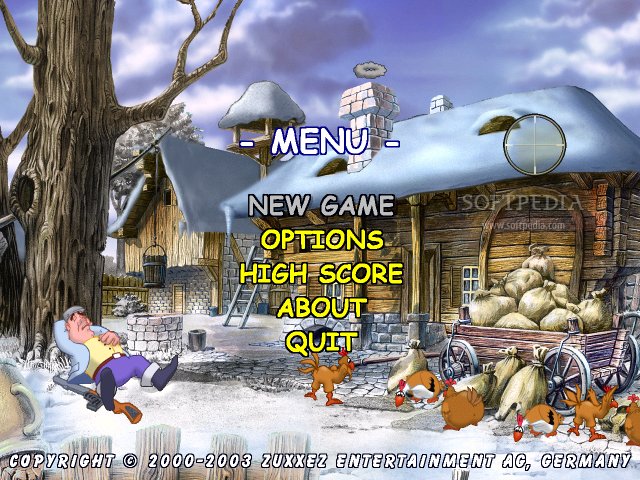
After investing years looking at how online games work, I’ve realized something simple chickenshootscasino.com. A player’s satisfaction relies less on the game’s flashy features and instead on their own approach. Chicken Shoot Game delivers that traditional arcade rush, a mix of rapid skill and fortune. But if you don’t have a strategy for your finances, the anxiety can ruin the excitement. This piece is about that system: bankroll management. The concepts apply for all players, but I’m creating this for players in Canada, with our economic scene in consideration. Let’s discuss how to keep the game entertaining and your outlay in check.
Mastering Bankroll Management
View bankroll management as a personal finance rulebook for gaming. The aim is to ensure your money stretch, reduce risk, and stop losses from spiraling. It doesn’t promise wins. It guarantees that playing stays fun, not financially painful. In a fast game like Chicken Shoot Game, where rounds pass quickly, a set budget makes you to slow down and think. I view it the most important skill a player can learn, more valuable than any trick for a single round. It transforms haphazard spending into deliberate entertainment budgeting. That shift transforms everything about how you play.
The Mindset of Spending in Fast-Paced Games
Excellent arcade games are founded on quick feedback. The sounds, the flashes, the prospect of a reward—they all draw you in. When you’re focused on hitting targets in Chicken Shoot Game, it’s easy to overlook how much each click costs. That’s why your budget, set before you even load the game, is so essential. From what I’ve observed, players without a set bankroll often begin chasing losses, making larger, desperate bets to recover. A clear budget draws a line in the sand. It allows you to feel the excitement without being overwhelmed.

Establishing Your Canadian Bankroll
Begin with the most personal question: what can you really afford? Your bankroll needs to be money you’re fine losing. It cannot touch the cash for rent, groceries, bills, or savings. For Canadians, treat it like any other entertainment cost—a movie night or a restaurant meal. Do not take from emergency savings, credit lines, or bill money. You have to be honest. What’s the true number for the week or the month? That total is your gaming fund for that period. It’s never for one session. That happens later.
From Total Budget to Session Limits
After you establish your total bankroll, divide it into smaller pieces. If you earmark $100 for a month of gaming, you could opt for four $25 sessions. This prevents you from blowing your whole monthly fund in one go. Before you launch Chicken Shoot Game, you decide on that session limit. When it’s gone, you stop. It seems basic, but this habit builds discipline. It also ensures you get to play more than once, spreading out the fun.
The Significance of the “Walk-Away” Point
Inside each session, set two clear markers: a loss limit and a win goal. Your loss limit might be half your session bankroll. Hit that, and you’re finished for the day. Your win goal is a realistic profit target. When you reach it, you withdraw some winnings and conclude on a positive note. Imagine your session bankroll is $25. You could decide to quit if you fall to $10, or if you raise your stack up to $50. This plan removes the emotion out of the decision. It brings a professional calm to a leisure activity.
The Role of Incentives and Promotions
Introductory bonuses or free spins can extend your starting bankroll. But you must read the terms. Concentrate on the betting rules. These terms specify how many times you must wager the bonus funds before you can cash out earnings from it. For Chicken Shoot Game, review how bonus money function toward these conditions. My recommendation? Consider bonus funds as a way to try the title without risk. It’s not “house money” to bet carelessly. If you win real cash from a promotion, integrate it right into your standard funds management. Use the similar session limits and stake rules parameters.
Leveraging Canadian-Friendly Tools
Gamblers in Canada possess some handy aids to adhere to their plans. Reliable online platforms offer tools in your account settings: deposit limits, loss limits, session timers. Employ them. They serve as a backup for the rules you set for yourself. Moreover, payment methods like Interac e-Transfer offer you a clean record on your bank statement. You can readily see how much you’ve wagered against your budget. Don’t regard these tools as a nuisance. They’re your companions in playing responsibly.
Stake Management Strategies for Chicken Shoot Game
You hold your session bankroll. Now, how much do you wager per round? My go-to method is percentage-based betting. You wager a small, fixed portion of your current session bankroll, usually 1% to 5%. This adjusts your risk as your money fluctuates. Start a Chicken Shoot Game session with $20, and a 5% bet is $1 per round. Win some, and your bankroll grows to $30. Now your bet is $1.50, enabling you exploit a good streak. If your bankroll shrinks, your bet gets smaller too. This preserves your cash and sustains you playing. It removes the dangerous “all-in” urge.
- The Fixed Percentage Model:
- The Fixed Unit Model:
- The Key Rule:
Spotting the Warning Signs of Bad Management
Reflect with yourself truthfully and frequently. Warning signs are simple to notice. You keep exceeding your session limits. You find yourself doing extra deposits over your spending plan. You experience the impulse to win back lost money by abruptly raising your stakes. Other red flags include betting just to recover money back, ignoring other parts of your life, or becoming grumpy when you’re not playing. Notice these behaviors, and it’s a sign for a pause. Walk away for a week or a few weeks. Return and look at your finances with unclouded vision. This is not a moral failure. That’s a indication your approach needs a change.
Adjusting to Chicken Shoot Game’s Volatility
Titles have a nature, called risk. It explains how regularly and how substantial the rewards are. In my view, Chicken Shoot Game, with its bonuses and different target levels, tends toward medium or elevated volatility. You may see droughts with modest wins, then a bigger reward. Your budget plan needs to survive these typical fluctuations without emptying out. That’s why proportional betting works so efficiently. It naturally lowers your dollar stake when you’re on a losing spell. When you realize risk is element of the game’s structure, downturns feel less like loss and rather like anticipated math. That allows it easier to adhere to your plan.
Extended Mindset and Tracking
Good money management is a marathon. It’s about seeing play as a controlled hobby. I keep a fundamental log: date, starting amount, ending amount, time played, and maybe a note on how I felt. In Canada, you aren’t required this for taxes (gambling winnings aren’t taxable). You do it for yourself. Over weeks, this log shows your real performance. It tells you if your bets are too high. It demonstrates whether your general budget makes sense. The attention moves from the result of one session to the health of your habits over many months. That’s the true goal of playing any game, Chicken Shoot Game included, the proper way.
Integrating Responsible Play with Enjoyment

Structured bankroll management isn’t about ruining fun. It’s about safeguarding it. When you strip away the concern about overspending, you can really enjoy the game. The graphics, the mechanics, the excitement—you can value them. The tension should come from preparing a tricky shot, not from calculating if you can afford groceries. Playing within a clear, affordable framework makes every session more enjoyable. To me, this approach signals the difference between a smart player and a vulnerable one. It keeps the game a satisfying hobby, just as its creators intended.